At the Research Institute of Plant Quarantine Protection
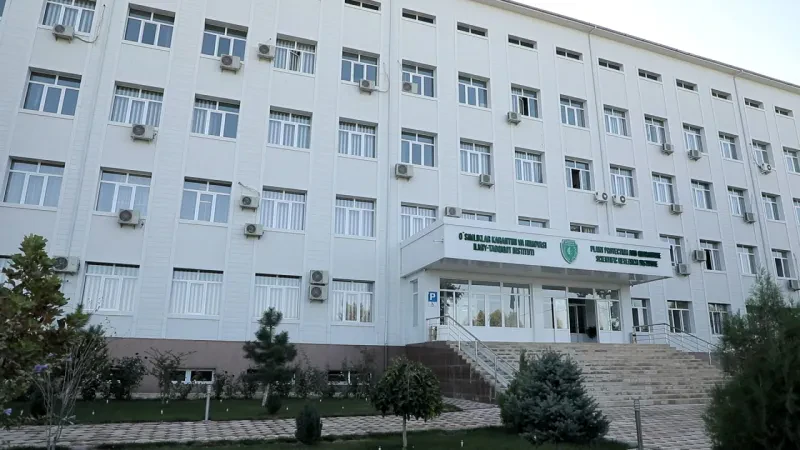
At the expense of the Agency and scientific and practical projects, the material and technical base was provided with equipment worth 4.0 billion soums. More than 11 thousand collections of 70 types of harmful organisms...
At the expense of the Agency and scientific and practical projects, the material and technical base was provided with equipment worth 4.0 billion soums.
More than 11 thousand collections of 70 types of harmful organisms of agriculture were created.
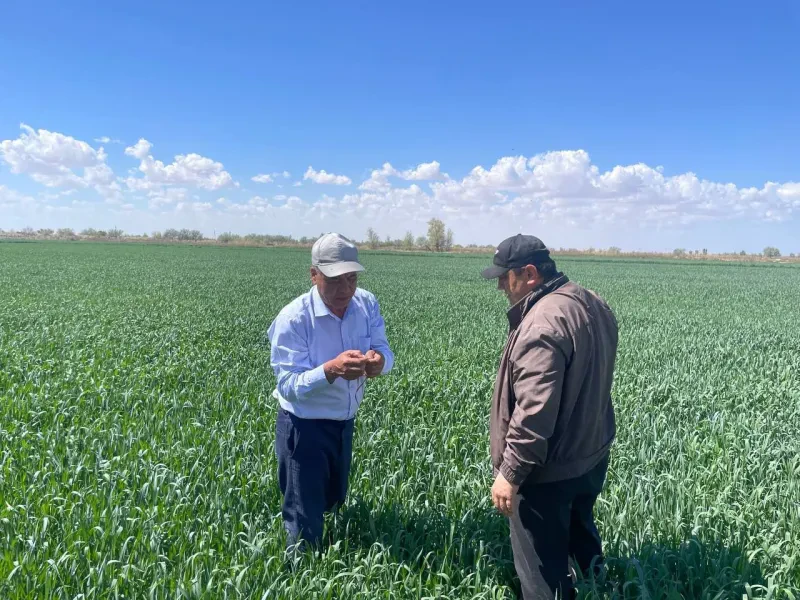
During the season, about 200 demonstration practical training seminars were held for farmers and agroclusters on the protection of agricultural crops from harmful organisms.
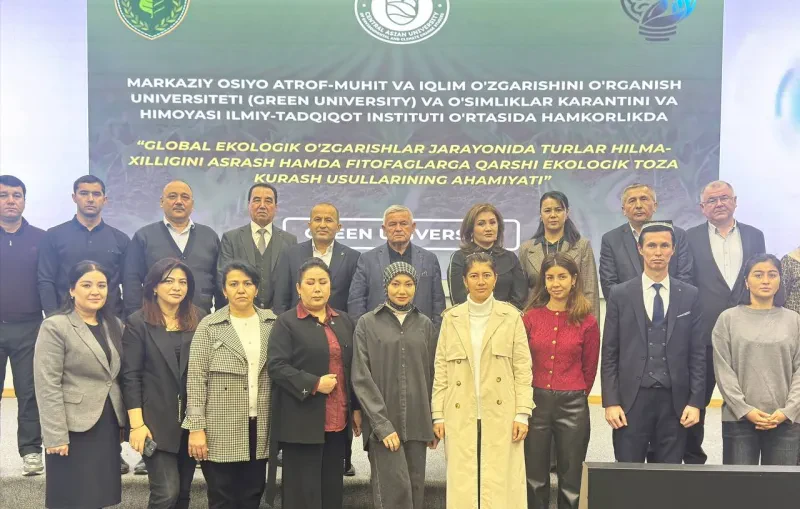
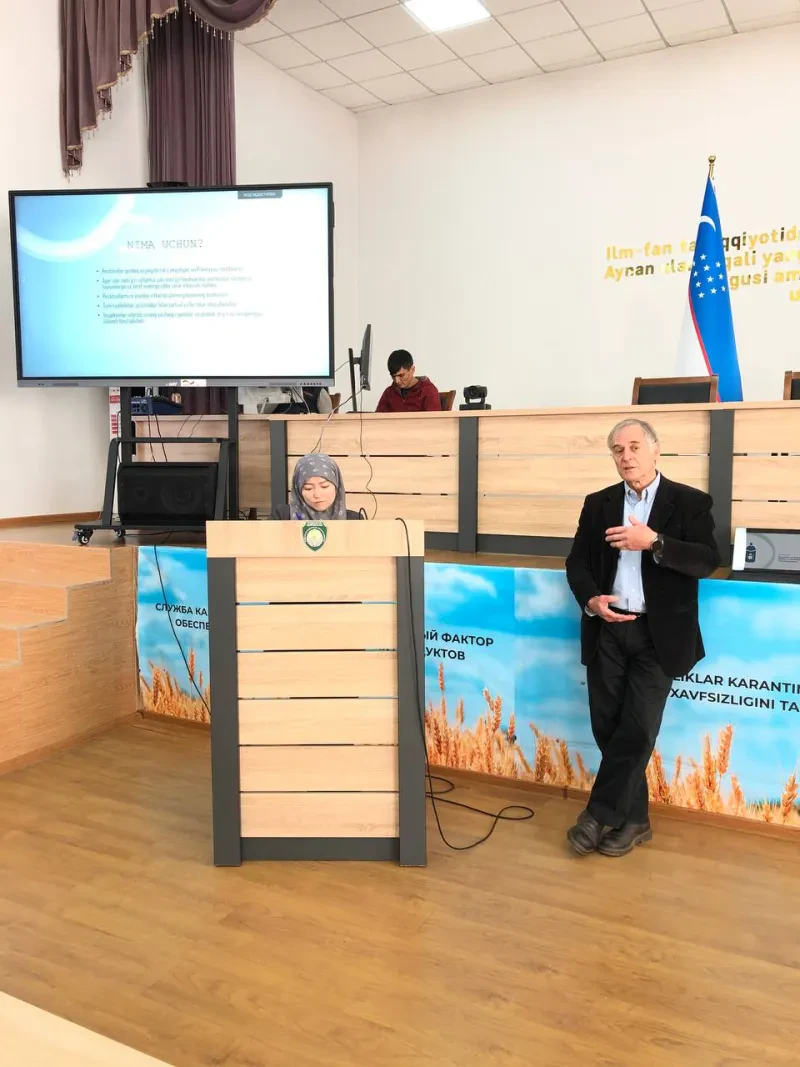
In order to improve their knowledge and skills in the requirements of foreign countries from the cultivation to the export of agricultural products, 143 specialists, 67 researchers, 512 representatives of farmers and peasant farms, a total of 722 employees, were trained.
With the participation of international experts from “CABI”, a fully developed Integrated Plant Protection (IPM) program for 42 types of crops was developed and attached to the Agency’s “Agroko‘makchi” mobile application via QR code.
A memorandum of understanding was signed with the Scientific Institute of Plant Quarantine and Protection and the TST agro cluster, a service agreement with the Sardoba agrocluster, and joint experiments are being carried out to combat harmful organisms in cotton, grain and leguminous crops.
A manual on methodological guidelines for conducting tests of pesticides and agrochemicals was developed.
Within the framework of the “Quarantine Service - Farmer’s Assistant” project, a weekly online “Free Dialogue” was organized with the participation of farmers, agroclusters, residents and landowners.
In the field of international cooperation, training of employees was provided in countries such as Italy, France, China, India, Russia, Turkey, Kyrgyzstan.
For the first time in the republic, a technology for mass reproduction and use of beneficial nematodes against pests was created.
In collaboration with FAO specialists, biopesticides were tested in the Jizzakh region.
Manuals were developed based on international requirements for ensuring the phytosanitary safety of agricultural products during export and import.
Scientists of the Research Institute continue their scientific research in the direction of safe and effective plant protection.